5 Meaningful Ways to Bring Culturally Responsive Teaching Into Your ELA Classroom (Grades 4–6)
Practical strategies teachers can use to create a culturally responsive ELA classroom. Learn how writing, reading, and discussion activities can help students explore culture, identity, and community while building strong literacy skills.
8/12/20263 min read
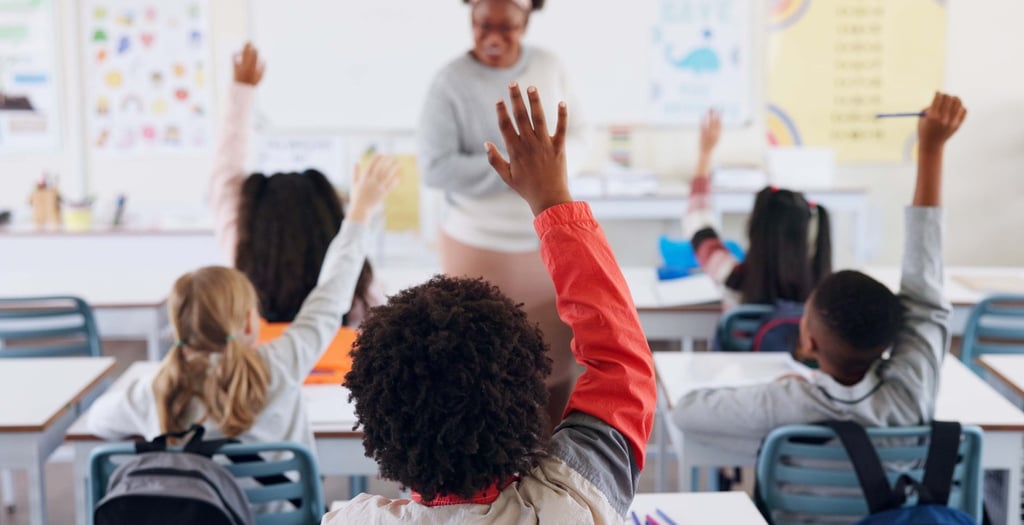
One day during a reading lesson, I noticed something interesting. When the story reflected a culture or family experience similar to my students’ lives, the room suddenly came alive. Students who were usually quiet began sharing stories about their families, traditions, and neighborhoods. That moment reminded me of something powerful: when students see themselves in what they learn, they engage more deeply. This is the heart of culturally responsive teaching—using students’ backgrounds and experiences as a bridge to stronger learning.
Walk into any classroom today and you will find students bringing with them a wide range of backgrounds, experiences, traditions, and perspectives. A culturally responsive classroom recognizes these differences not as challenges, but as opportunities to enrich learning.
For teachers, especially in upper elementary grades, English Language Arts is one of the most powerful places to build this kind of inclusive environment. Through stories, writing, and discussion, students can explore identity, respect cultural differences, and develop empathy for others.
Here are five meaningful ways teachers can incorporate culturally responsive practices into their ELA lessons.
1. Encourage Students to Share Their Own Stories
Every student enters the classroom with a story worth telling. When teachers invite students to write about their family traditions, celebrations, or personal experiences, they create space for students to feel seen and valued. According to the International Journal of Literacy and Education 2024; 4(2); classrooms that promote academic success and contribute to the development of informed, engaged citizens in an increasingly diverse society.
Simple writing prompts such as:
“A tradition that is important in my family is…”
“One thing that makes my culture unique is…”
“A celebration my family enjoys is…”
allow students to connect literacy skills with their real lives. These types of activities not only build writing confidence but also strengthen classroom community.
2. Introduce Reading Materials From Different Cultures
Students benefit when they see a variety of cultures represented in the texts they read. Short reading passages about children from different parts of the world can help students recognize both similarities and differences in daily life.
For example, a reading about a student attending school in another country can lead to meaningful discussions such as:
What is similar about our school experiences?
What is different?
What can we learn from each other?
These conversations encourage curiosity and respect for different ways of living.
3. Explore the Meaning of Names and Identity
A student’s name often carries history, culture, and family significance. Asking students to explore the story behind their name can lead to powerful reflection and meaningful writing.
Students can research or ask family members questions like:
Why was this name chosen for me?
Does my name have a meaning?
Is my name connected to my culture or heritage?
Activities like this help students understand that identity plays an important role in shaping who they are.
4. Use Folktales and Stories from Around the World
Folktales are a wonderful way to introduce cultural perspectives into the classroom. These stories often share universal themes such as kindness, honesty, and perseverance.
After reading a folktale, teachers can guide students to identify:
characters
The Problem in the story
the solution
the lesson or theme
Students quickly begin to see that while cultures may differ, many values are shared across the world.
5. Highlight Community Heroes
Culturally responsive teaching also encourages students to recognize the importance of community. Asking students to write about a community hero -such as a family member, teacher, or local leader—helps them connect literacy skills with real-world appreciation.
Students can research and write about:
What the person does
How they help others
Why they are important
These activities promote respect, gratitude, and civic awareness.
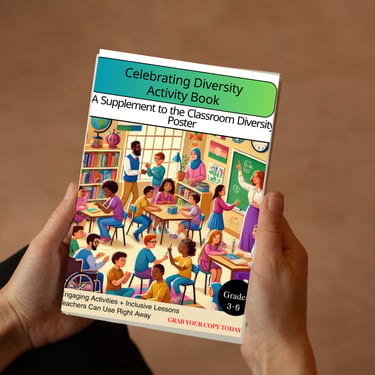
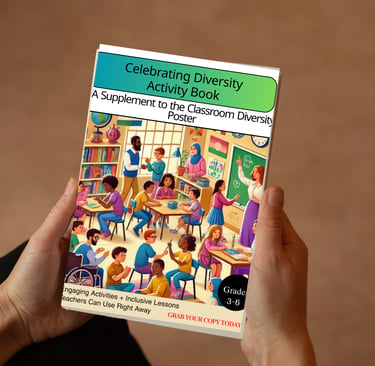
Teacher holds student workbook of Cultural Diversity activities
Teacher in a culturally diverse classroom in New York city.