
10 Simple Tips for Parents to Support Learning Without Stress
With the right habits, tools, and mindset, learning can become a natural part of everyday life rather than a source of stress. Supporting a child’s learning at home should feel encouraging, calm, and achievable, not overwhelming. For parents and teachers alike, the goal is to nurture curiosity and confidence while reducing pressure on young learners.
8/9/20263 min read
Below are 10 practical, stress-free strategies designed especially for primary school children (Grades K–5). These tips also align well with affiliate-friendly educational tools that parents and teachers often look for—such as planners, learning apps, educational games, and organizational resources.
1. Establish a Simple, Predictable Routine
Children thrive on routine. Knowing when learning happens helps reduce anxiety and resistance. Set consistent times for homework, reading, play, and bedtime—but keep it flexible enough to adjust for your child’s energy levels.
2. Designate a Calm, Kid-Friendly Study Space. A quiet, clutter-free space helps children focus better and finish tasks faster. This doesn’t need to be a full study room—a corner of the dining table works just fine. Helpful items include:
A child-sized desk and chair
Good lighting (desk lamps are ideal)
Pencil organizers and storage bins
3. Break Learning Into Small, Achievable Steps
Long assignments can feel intimidating. Breaking tasks into short chunks (10–20 minutes) helps children stay motivated and focused.
For example:
Read 5 pages instead of a full chapter
Solve 5 math problems at a time
Take short movement breaks between tasks
4. Encourage Independence (Without Pressure)
Let children attempt tasks on their own before stepping in. This builds confidence and problem-solving skills. When help is needed, guide with questions rather than answers.
Instead of saying:
“Here’s how you do it.” Try
“What do you think the first step should be?”
5. Make Learning Feel Like Play
Children learn best when they’re engaged. Games, puzzles, and hands-on activities make learning enjoyable and memorable.
Ideas include:
Math card games
Word puzzles and crosswords
Educational board games
6. Praise Effort, Not Just Outcomes
Focusing only on grades can increase stress. Instead, praise persistence, focus, and improvement.
Examples:
“I love how hard you worked on that.”
“You didn’t give up—that’s awesome.”
This encourages resilience and long-term motivation.
7. Foster a Growth Mindset Early
Teach children that mistakes are part of learning—not something to fear. When children see challenges as opportunities, they develop a healthier relationship with school.
You can say:
“Mistakes help your brain grow.”
“You’re learning something new—that takes practice.”
Affiliate Opportunity: Growth mindset posters, affirmation cards, and SEL (social-emotional learning) resources.
8. Turn Everyday Life into Learning Moments
Learning doesn’t stop at the desk. Everyday activities naturally reinforce academic skills:
Cooking → math & reading
Shopping → budgeting & estimation
Nature walks → science & observation
Affiliate Opportunity: Educational activity guides, kids' cookbooks, and nature journals.
9. Balance Learning with Movement and Rest
Physical activity improves concentration and reduces stress. Make sure children have time to move, play, and unwind after school.
Equally important is sleep. Well-rested children retain information better and regulate emotions more effectively.
10. Communicate Regularly with Teachers
Strong parent–teacher communication ensures children receive consistent support. Check in about expectations, progress, and any concerns early—before frustration builds.
This partnership helps:
Identify learning gaps early
Adjust strategies at home
Support the child emotionally and academically
Final Thoughts: Supporting Learning Without the Stress
Supporting your child’s education doesn’t require perfection—or expensive tools. It requires patience, consistency, and the right support. When parents and teachers work together to create calm, engaging learning environments, children feel safer taking risks and exploring new ideas.
By applying these 10 simple tips and using thoughtfully chosen learning tools, you can help primary school children build confidence, independence, and a lifelong love of learning—without stress.
Tip for parents and educators: Look for multi-use, age-flexible resources that grow with your child. These provide the most value—academically, emotionally, and financially.
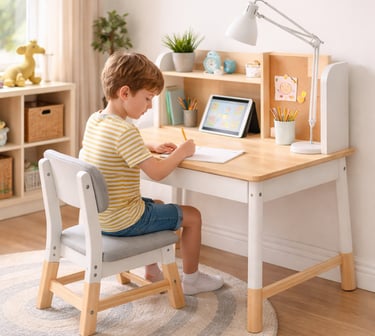
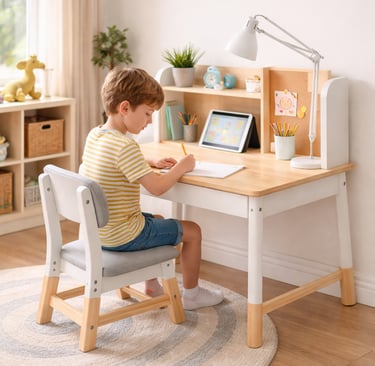
“AI illustration of a child’s study desk and chair in a calm learning space.”
If you’d like a simple starting point, you can explore a similar kids’ study desk and chair set here—no pressure to buy, just an option to make your child’s learning corner a bit more comfortable.
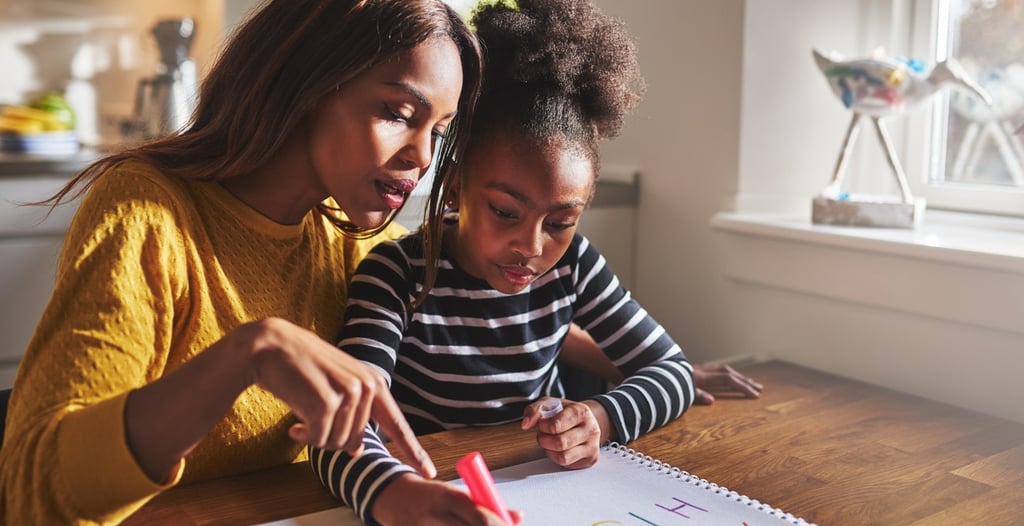
A parent helps a girl at home