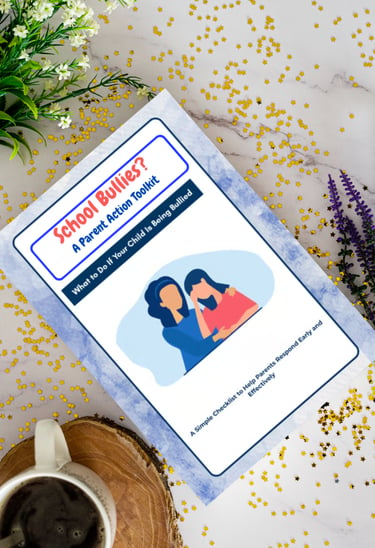
What Parents Should Do If Their Child Is Being Bullied: 7 Practical Steps That Can Help
Bullying can leave parents feeling worried, angry, and unsure of what to do next. In this guide, parents will learn practical steps to recognize bullying, support their child, and work with schools to stop harmful behavior early. This article also includes a free Parent Bullying Action Guide checklist to help families respond calmly and effectively.
8/5/20263 min read
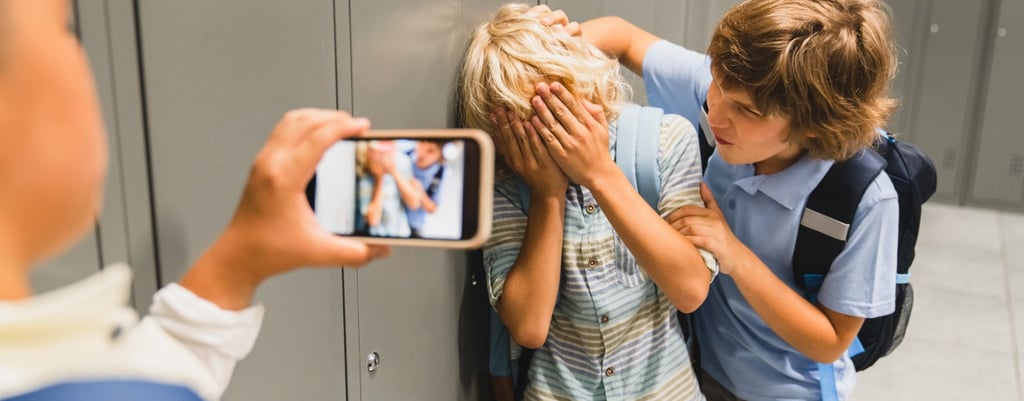
When your child comes home upset about something that happened at school, it can be heartbreaking and confusing. Many parents struggle to know whether their child is dealing with normal peer conflict or something more serious like bullying. Understanding the difference—and knowing how to respond—can help you support your child with confidence and care.
It’s also important to recognize that not all bullying is physical or happens face-to-face at school. Today, many students experience cyberbullying through text messages, social media, group chats, or gaming platforms. Hurtful words, rumors, or exclusion online can follow a child home and happen at any hour, making it feel constant and overwhelming. In many cases, cyberbullying can be just as damaging—if not more—because it can affect a child’s self-esteem, sense of safety, and mental well-being even outside the classroom.
1. First, Listen Calmly to Your Child
If your child tells you someone is being mean to them, your first reaction may be anger or worry. That’s natural. But what your child needs most in that moment is a calm listener. Sit with them and let them explain what happened in their own words.
You might ask gentle questions such as:
“Can you tell me what happened?”
“How did that make you feel?”
“Has this happened before?”
Children often share more when they feel heard instead of rushed or judged. The Centers for Disease Control and Prevention notes that supportive conversations with parents can make children more comfortable reporting bullying situations.
2. Learn the Difference Between Conflict and Bullying
Sometimes children simply have disagreements with friends. These situations are called peer conflicts, and they are a normal part of growing up.
Bullying, however, is different. It usually happens repeatedly and involves one child trying to hurt, embarrass, or control another child. According to StopBullying.gov, bullying typically involves a power imbalance and ongoing harmful behavior.
Understanding this difference helps parents decide the best way to respond.
3. Help Your Child Practice What to Say
Children often feel powerless when someone is teasing, excluding them, or even targeting them online. Parents can help by practicing simple responses at home.
You might role-play situations together and teach your child to say things like:
“Please stop. I don’t like that.”
“I’m going to tell a teacher if this continues.”
You can also talk about what to do online—such as not responding to hurtful messages, saving evidence, and telling a trusted adult. Practicing these responses can give children confidence in difficult situations.
4. Teach Kindness and Empathy
Sometimes children are unsure how to respond when they see others being treated unfairly. Encourage your child to be someone who includes others, speaks kindly, and stands up for classmates who may feel left out—both in person and online.
Research supported by the American Psychological Association shows that teaching empathy can help reduce aggressive behavior among children.
5. Work With the School When Needed
If your child continues to feel unsafe or the behavior repeats, it may be time to contact the school. Teachers, counselors, and administrators are often trained to help address these situations, including incidents that begin online but affect the school environment.
Keep notes about what your child reports—including dates, messages, or screenshots if cyberbullying is involved—and communicate calmly with the school. Working together with educators can lead to better, more effective solutions.
Final Thought
As a parent, it’s painful to see your child struggle socially. But your support, patience, and guidance can make a powerful difference. When children know they have a parent who listens, believes them, and helps them problem-solve, they feel stronger and more prepared to face difficult situations—both in school and in the digital world.